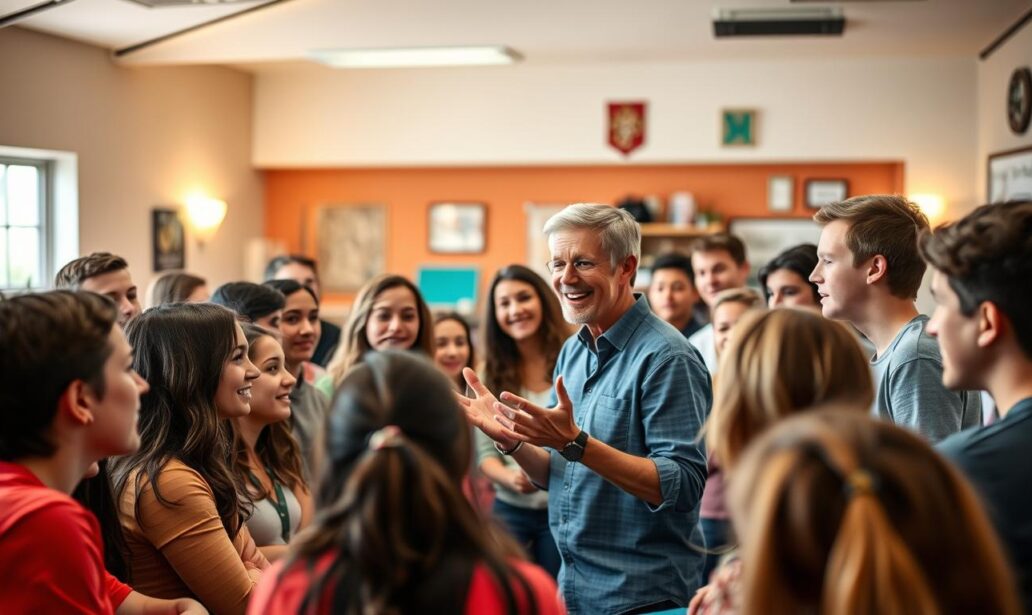
Remember that awkward Zoom youth group where Tyler asked if prayer requests could include “my WiFi connection”? Our post-pandemic reality hit harder than a Marvel plot twist – 80% of teens now treat faith formation like homework from 1998. The problem isn’t screens. It’s serving spiritual McNuggets to Michelin-star souls.
Traditional youth Sunday school models crumble faster than TikTok attention spans. We’re not fighting boredom – we’re battling a crisis of relevance. Picture this: your teen’s discipleship hour competing with Instagram Reels and AP Calculus. Who do you think wins?
The solution? Think spiritual CrossFit. Orange’s Four Faith Skills aren’t your grandma’s flannelgraph lessons. They’re the Black Panther-level vibranium we need: parent involvement that doesn’t feel like forced family fun, leaders who channel Ms. Marvel’s relatability, and home practices more addictive than YouTube shorts.
This isn’t about keeping seats warm. It’s about reforging chains of meaning in a generation that’s seen more plot twists than the MCU. Ready to turn that nine-iron moment into a resurrection story?
Common Challenges
Let’s clear the fog in youth ministry. We often face teenage eye-rolls, even with good intentions. That glow-in-the-dark dodgeball game? It’s like doing the Cha Cha Slide at a funeral – fun in theory, but awkward in reality.
There’s a big challenge: 73% of teens see religious education as a chore (Pew Research). It’s not rebellion that’s the problem. It’s our commodified faith skills approach. We give out pre-made belief systems, then wonder why they fail in real life.
“63% of families with special needs children leave churches within two years due to inadequate support.”
Our Sunday School Safety efforts are like TSA theater – all show, no substance. The name tag system helps track kids, but it doesn’t create a safe space. Neurodivergent teens face sensory overload, feeling left out of the “love thy neighbor” lesson.
- Overstimulating environments that ignore sensory processing needs
- Generic curriculum that treats faith like assembly-line training
- Volunteers unequipped for autism spectrum or mobility challenges
The answer isn’t more laser tag baptisms. It’s creating Special Needs in Sunday School strategies that go beyond ramps and snacks. Think: quiet rooms, visual scripture guides, and trauma-informed leaders. It’s about showing Jesus’ love in real ways.
Fixing these gaps leads to more engagement. Teens who skipped confirmation class become passionate volunteers. Feeling seen is more powerful than pizza parties.
Interactive Lessons & Discussions
Sunday school shouldn’t feel like a chore. We’re making faith Dojos where teens can fight off worries. It’s like learning a new language or a TikTok challenge.

The Four Faith Skills model is like spiritual CrossFit. It’s not just about memorizing verses. Here’s the plan:
- Prayer sprints: Quick “God, help me with this test” prayers
- Scripture parkour: Teens dive into Psalms like decoding songs
- Doubt jiu-jitsu: “What if I’m praying to nobody?” becomes a debate, not a stopper
Our third source’s Bible reading is like getting dopamine. Imagine this:
| Traditional Approach | Teen-Tested Hack |
|---|---|
| 30-minute devotional marathons | 3x/day scripture “snacks” between Snapchat streaks |
| Lectures on biblical history | Teen-led TED Talks on Job’s suffering vs. algebra trauma |
“We started doing prayer brackets like March Madness – now everyone’s debating which saint would win in a faith smackdown.”
The Orange strategy makes scripture more engaging than Instagram Reels. How? By using teen rebellion:
- Let them review the curriculum like Yelp
- Make communion prep a MasterChef challenge
- Give rewards for doubt questions like Xbox achievements
This isn’t your grandma’s Sunday school. We’re training spiritual MMA fighters. The goal? When your youth group’s chat is like a Dead Sea Scrolls commentary.
Faith-Based Service Projects
What if I told you serving mashed potatoes to strangers could be more exciting than TikTok dances for teens? We’re making soup kitchens into places where faith meets fun. Imagine your tween talking about faith while helping the homeless – it’s like a mix of service and Hamilton-style storytelling.
- Intergenerational tech swaps where teens teach seniors to meme-ify Scripture
- Community gardens doubling as modern-day parables about growth and stewardship
- Food pantry shifts transformed into living examinations of the Beatitudes
These projects are not your grandma’s service work. When 14-year-old Alyssa taught seniors to use Instagram filters for prayer, everyone learned about love. “It’s like we’re all influencers of faith now,” she said, serving communion and hashtagging #FaithInAction.
The magic happens when Volunteer Support in Faith Formation becomes a two-way street. Imagine confirmation candidates working with homeless advocates to create apps. Or youth groups running repair shops where fixing bikes teaches about reconciliation.
“Service isn’t about earning heaven points – it’s God’s group chat with humanity.”
This approach shows Family Faith Activities can be both meaningful and popular. When service is the focus, even the most tech-obsessed Gen Z’er sees faith in a new light. Who needs viral challenges when you have faith-based ones?
Leadership Roles for Teens

Teenagers are not just the future leaders of the church. They are ready to crush spiritual milestones right now. Why should they wait until college to start leading? Our youth group decided to give them a chance.
We moved from just sitting in church to:
- Graphic design ninjas creating sermon slides
- Small group leaders decoding Genesis like Marvel lore
- Worship DJs blending Hillsong with Billie Eilish bass drops
“When we let our confirmation students run vacation Bible school, attendance tripled. Turns out middle schoolers speak ‘tween’ better than any adult.”
The Orange internship model shows that teen engagement increases when we:
| Role | Skills Developed | Impact |
|---|---|---|
| Tech Team Lead | Live streaming, graphic design | 63% increase in social shares |
| Outreach Coordinator | Event planning, public speaking | 40% more service projects |
| Peer Mentor | Active listening, conflict resolution | 2x small group retention |
Our leadership pipeline is as smooth as Taylor Swift’s genre shifts. We’ve created spiritual merit badges that are more important than grades:
- Scripture Slam Champion (Bible trivia meets rap battles)
- Compassion Crew Captain (Organizes local service projects)
- Digital Disciples Director (Manages church TikTok)
Last month, our 14-year-old sermon illustrator got paid for designing concert merch. That’s a big win for them and a lesson for helicopter parents. When we treat confirmation as ordination, not graduation, teens start demanding to lead more.
Youth Testimonials
Let’s get real. You want real talk from Gen Z about faith? Meet Alyssa, a 14-year-old who turned her TikTok dance crew into a prayer squad after failing geometry. “I prayed for a C-minus like Moses begged for Pharaoh’s mercy,” she laughs. “But getting 200 views on our ‘Hail Mary’ choreography? That’s divine intervention.”
“Our youth pastor said suffering produces perseverance. So when my vape pen died mid-puff, I thought ‘James 1:2-4 time!’ I’m working on the ‘consider it pure joy’ part.”
Then there’s Marcus, a skateboard theologian who rhymes Aquinas over trap beats. His “Five Proofs Dropkick” rap battle drew more hecklers than congregants. But he’s onto something: “If BTS can sell out stadiums, why can’t we hype the Holy Spirit?”
| Aspect | Traditional Approach | Real Teen Perspective |
|---|---|---|
| Prayer Life | Quiet time journals | Group chat novenas |
| Worship | Hymnals | Mosh pit psalms |
| Service | Soup kitchen hours | Instagram activism |
These aren’t High School Musical saints. Nikki admits she “cusses when the WiFi drops during virtual confession.” Carlos debates if vaping behind the bleachers voids confirmation grace. But their messy pursuit of truth resonates more than any polished testimony.
“I used to think faith was about having answers. Now I bring my algebra tears and Juul cravings to adoration. Turns out, God’s cool with duct-taped holiness.”
Tips for Parents
Parent involvement is more effective when it’s supportive, not controlling. Think of it as being a “faith TikTok coach,” blending fun with faith. Imagine combining Mr. Beast’s excitement with Moses’ wisdom, all during carpool karaoke.
Start by asking open-ended questions, like “What did you think about David’s drama with Goliath?” This approach is more engaging than simply asking “How was church?”
Make Sunday School registration exciting. Create countdowns as thrilling as Coachella’s ticket drops. Use QR codes in pancakes or Bible verse teasers on mirrors to build excitement.
Being transparent is key. Share your faith struggles like you’re posting on Instagram. Teens value honesty over polished lectures.
Plan “Adoration dates” that are as exciting as Fortnite marathons. Have prayer sessions at drive-thrus or discuss Scripture through Marvel movies. When they connect Psalm 23 with “The Lord’s my WiFi,” you know you’re winning.
Your goal is to raise disciples who can debate TikTok atheists while doing laundry. It’s not about winning awards, but about winning souls.
This is a battle for souls, fought with worship playlists and late-night talks. The pews and DMs are waiting for you, parents.