
The months away from school often create a gap in spiritual education. Well-structured church summer camps provide a dedicated environment where children and teens can focus entirely on biblical instruction and peer fellowship. Stepping away from daily routines allows students to process new ideas without the usual academic pressures.
We base our curriculum on measurable outcomes rather than just filling time with games. Data published by Springer Research indicates that immersive retreats significantly increase the likelihood of students maintaining their faith commitments into adulthood. Planning an intentional schedule turns a week of recreation into a period of serious personal development.
Structuring Daily Camp Activities
A successful camp relies on a balanced schedule. You must rotate between physical activity, quiet reflection, and collaborative group work. This rhythm keeps energy levels stable and prevents exhaustion. Grouping students by age guarantees the lessons match their cognitive abilities. We integrate these age-appropriate principles into all our seasonal programs to keep students engaged year-round.
| Time Block | Activity Focus | Developmental Goal |
| Morning Assembly | Large group worship | Setting the daily theological theme |
| Mid-Day Rotations | Hands-on crafts and sports | Team building and physical exertion |
| Afternoon Rest | Silent reading and prayer | Personal reflection and processing |
| Evening Sessions | Small group discussions | Peer connection and scripture application |
Mixing high-energy games with quiet study requires careful logistical planning. Assigning specific physical spaces for each activity type minimizes transition times. Clear transitions keep students focused on the next task instead of wandering off-task.
Equipping Adult and Teen Leaders
The quality of your instruction depends heavily on your staff. A single director cannot manage a large group of energetic students alone. Recruiting dedicated individuals from your family and volunteer networks distributes the workload and improves the camper-to-leader ratio. Clear background checks and procedural training protect the staff and the attendees alike.
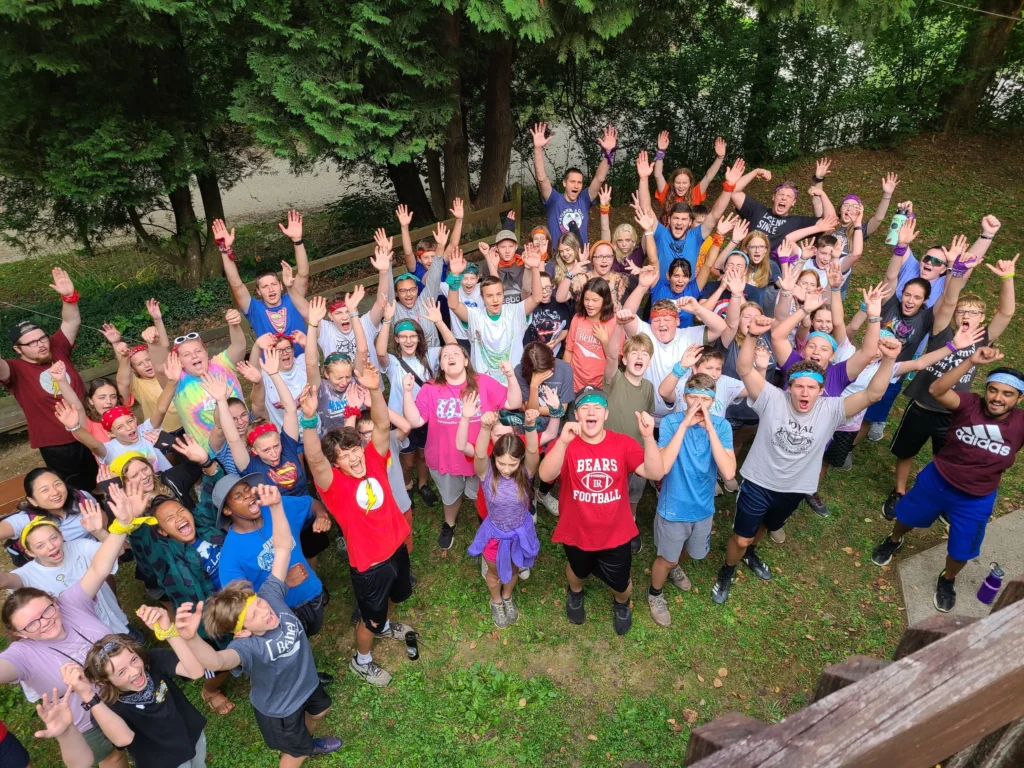
Assigning older high school students to mentor younger campers builds a pipeline of future leaders. Setting strict safety guidelines based on the American Camp Association protocols protects your church from liability and keeps kids secure. Training sessions should cover emergency procedures, conflict resolution, and lesson plan delivery. Preparing your volunteers early guarantees your church summer camps operate smoothly from the first day of check-in until the final closing ceremony.