
Effective high school youth programs require more than just weekend entertainment. Teenagers need structured environments that directly address their spiritual and developmental questions. A consistent, data-informed approach keeps students engaged through graduation.
Research mapping teen development from the Fuller Youth Institute shows that intergenerational relationships directly influence long-term faith retention. Building these connections demands a clear operational strategy.
You must align your teaching schedule with the actual challenges teenagers face daily. A static curriculum often fails to capture the attention of older students. Integrating real-world applications into your weekly lessons anchors biblical concepts in reality.
Designing Core Curriculum Elements
To build a solid foundation, review our biblical learning strategies to establish a reliable teaching calendar. Active participation increases when students see the immediate relevance of the material.
We can categorize effective youth formats based on their focus and the exact student demographic they serve best.
| Program Format | Target Demographic | Best Practical Use Case |
| Small Group Studies | Regular attendees seeking depth | Weekly scripture reading and peer prayer |
| Large Group Worship | New visitors and entire youth group | Monthly rallies and high-energy messages |
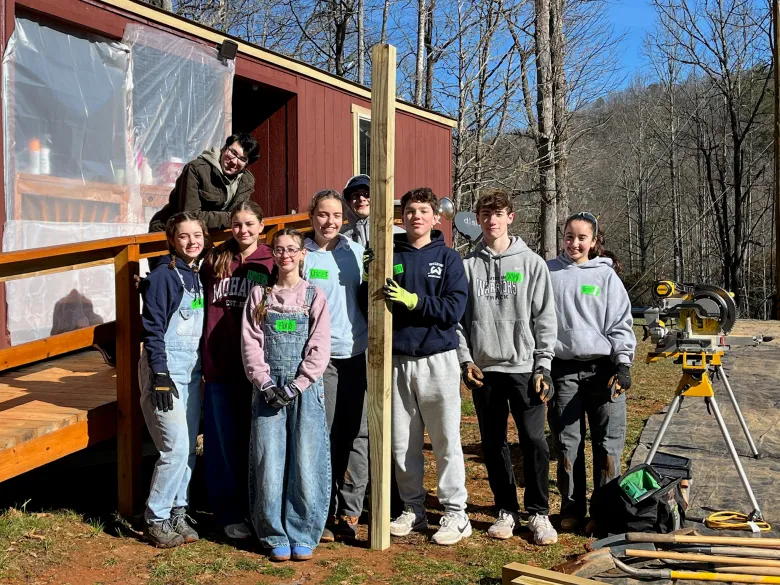
| Service Projects | Action-oriented students | Community cleanups and local outreach |
| Mentorship Pairings | Upperclassmen preparing for college | One-on-one discipleship and life planning |
Varying your meeting formats prevents stagnation. High schoolers respond well when they face different types of challenges. Mixing service projects with deep theological study builds a well-rounded student ministry.
Tracking Attendance and Volunteer Impact
Consistent student participation relies heavily on the adults running the initiative. A single youth pastor cannot manage an entire high school ministry alone. Recruiting dedicated adult leaders distributes the workload and multiplies your impact.
You can build strong support systems by organizing parent volunteer teams to handle logistics and event planning. This setup allows your core teaching staff to focus entirely on student relationships. Assigning exact roles to each adult leader prevents burnout and creates a stable environment for teenagers.
Documenting weekly attendance helps you identify participation trends. Recognizing a drop in numbers early allows you to reach out to absent students before they disconnect completely. Evaluating these patterns gives you a realistic view of ministry health.
National data tracking teen church attendance through Barna Group demonstrates that personal follow-ups dramatically increase a student’s likelihood of returning. A simple text message or phone call shows a teenager that their presence matters.
Establish clear metrics for your high school youth programs at the start of each semester. Track which sermon series or event formats yield the highest engagement. Analyzing this data guarantees your ministry adapts to the actual needs of your students.