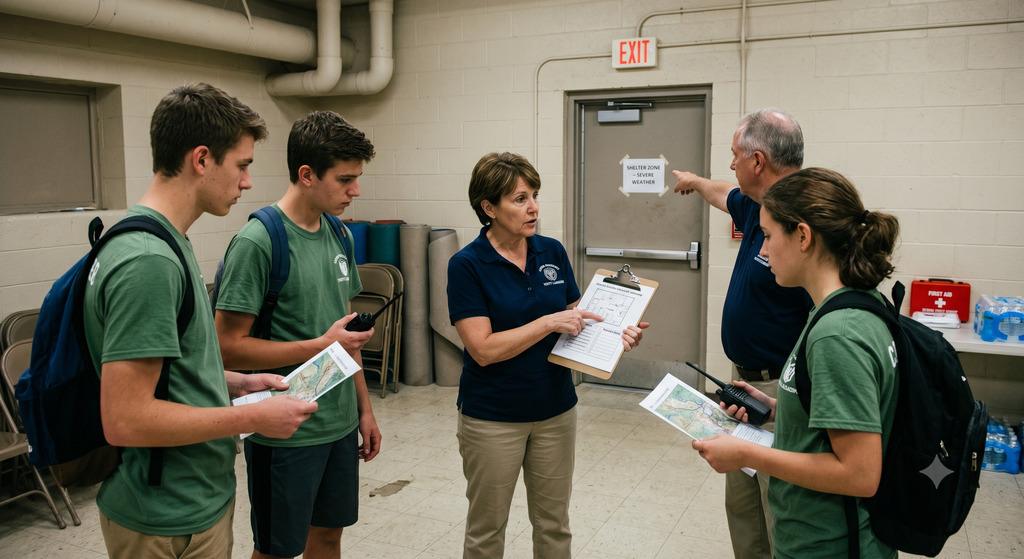
Organizing a safe environment for seasonal youth retreats requires strict administrative oversight and current knowledge of state regulations. Church administrators face increasing legal obligations to formalize their crisis management plans. Relying on outdated safety guidelines exposes the congregation to severe liability risks and threatens camper security. A systematic approach to risk management protects both the attendees and the organization’s reputation.
Recent legislative shifts demonstrate the increased scrutiny placed on youth facilities. Starting in early 2026, the Texas Department of State Health Services (DSHS) enacted strict new regulations for youth camps. Administrators must now submit comprehensive emergency plans to local management officials and provide written notifications to parents if any part of the facility rests within a floodplain. Similar statutory updates across the nation indicate that basic first-aid kits and loose supervision guidelines fail to meet modern legal standards.
Data mapping from the American Camp Association (ACA), released in June 2026 in collaboration with First Street, highlights the immediate need for property-level risk assessments. Accessing forward-looking climate data allows camp directors to evaluate long-term infrastructure safety. Making informed decisions regarding extreme heat, unexpected flooding, and severe weather requires integrating science-based information directly into daily operational planning.
Implementing Actionable Emergency Action Plans
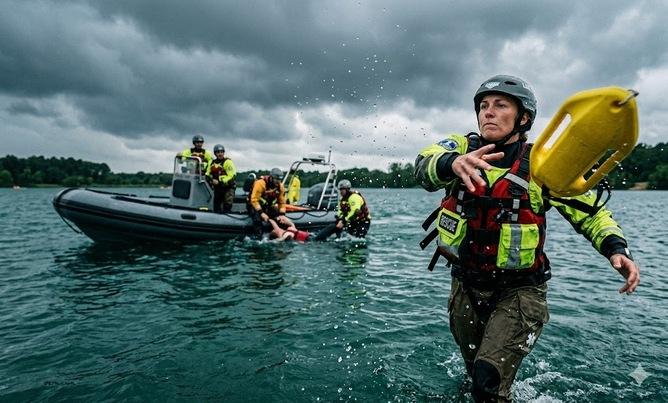
A functional crisis strategy must dictate exact physical movements and communication steps for every staff member on the property. Vague instructions lead to panic during an actual incident. Directors must script specific responses for localized hazards, medical crises, and infrastructure failures. Training sessions should force staff members to practice these exact protocols repeatedly before any children arrive on site.
Categorizing threats helps leadership build a clear matrix for staff behavior. You must assign distinct notification methods and evacuation routes depending on the severity and nature of the incident.
| Emergency Type | Immediate Staff Response | Communication Protocol |
| Severe Weather/Tornado | Move campers to designated interior shelters | Mass text alert to all parent contacts |
| Missing Camper | Gather groups at dining hall; begin 10-minute sweep | Alert local authorities if unresolved |
| Major Medical Injury | Clear area for EMS response; administer first aid | Direct phone call to legal guardian |
| Hostile Intruder | Secure indoors, lock doors, turn off lights | 911 dispatch and internal PA system |
Analyzing recent incident reports helps church leaders anticipate the most frequent operational challenges. The ACA Camp Crisis Hotline Annual Review covering the 2025 season shows that health and medical issues remained the most frequent cause for urgent assistance, representing nearly forty percent of all calls. Issues surrounding business operations, including severe weather disruptions and power grid failures, saw a marked increase. Building protocols that address these documented trends guarantees a higher level of preparedness.
Aquatic safety remains a highly regulated aspect of any youth retreat. State authorities strictly govern the bather-to-lifeguard ratios based on the age and swimming ability of the participants. Directors must verify that every aquatic activity utilizes certified lifeguards who conduct regular active-shooter and drowning-victim recovery drills. Integrating a mandatory swim test on the first day allows staff to visually identify non-swimmers using brightly colored wristbands, preventing tragic accidents in open-water environments.
Routine drills build muscle memory for your adult supervisors. We integrate these structured rehearsal techniques into our volunteer networks to maintain a high standard of readiness across all ministries. Practicing a shelter-in-place scenario or an aquatic rescue drill identifies gaps in your operational layout. Fixing a communication blind spot during a dry run prevents a catastrophe during a live event.
Structuring Mandated Volunteer Background Checks
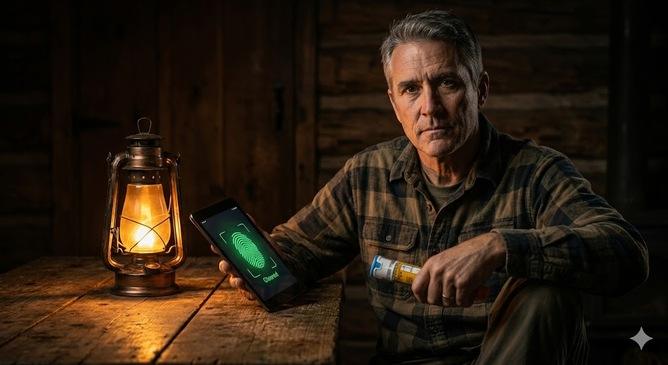
The safety of the entire operation rests heavily on the quality of the adults supervising the students. Church administrators must treat volunteer recruitment with the exact same rigor as corporate hiring. A single oversight in vetting personnel compromises the physical and emotional safety of the minors in your care. Documenting a clear, multi-step screening process protects the ministry from negligent retention claims.
State authorities are aggressively closing loopholes in volunteer screening laws. For the 2026 operational year, states like New Jersey began enforcing rules that require fingerprint-based criminal background checks for all camp directors and adult staff members who maintain unsupervised access to campers. Relying solely on basic name-matching databases falls short of these stringent legal requirements.
Administrators must collect the following documentation before an adult steps onto the campgrounds:
- Verified physical and digital copies of state-mandated fingerprint background check clearances.
- Signed acknowledgments of the church’s formal child protection and abuse prevention policies.
- Current certifications in CPR, AED operation, and basic first aid from a recognized health organization.
- Completed behavioral interview assessments graded by at least two senior ministry directors.
Vetting candidates requires checking the National Sex Offender Registry and conducting multiple direct reference interviews. A formal interview process allows directors to gauge a candidate’s maturity and ability to handle high-stress situations. You must maintain physical and digital records of every background check in compliance with data privacy regulations. A structured onboarding pipeline guarantees that only cleared, trained individuals interact with your youth groups.
Addressing the mental health needs of campers demands specialized training for your adult supervisors. The transition away from familiar home environments often triggers acute anxiety or behavioral episodes in younger attendees. Equipping your counseling staff with basic trauma-informed response strategies allows them to de-escalate conflicts without resorting to punitive measures. Building a professional relationship with a licensed mental health professional who remains on-call during the camp session provides your volunteer staff with a necessary support mechanism.
Medical readiness extends far beyond the designated camp nurse. The New York State Department of Health 2025 Incident Summary documented over seven hundred reportable injuries at children’s camps, along with forty separate incidents requiring epinephrine administration for severe allergic reactions. Training everyday cabin leaders to recognize anaphylaxis and operate an epinephrine auto-injector saves lives before professional medical help arrives.
Upgrading Communication Systems for Off-Site Retreats

Sending groups to remote wilderness areas or distant retreat centers complicates your logistical footprint. Standard cellular service frequently fails in heavily wooded or mountainous regions. Relying on a single communication method creates a dangerous single point of failure. Directors must establish redundant hardware systems to keep off-site teams connected to the main church office and local emergency services.
Building a resilient communication framework involves deploying specific hardware combinations:
- Hardwired landlines are stationed in the main operational buildings, completely independent of cellular networks.
- Battery-powered UHF two-way radios were distributed to every cabin leader and activity specialist.
- Solar-powered or hand-crank NOAA weather radios are placed in all remote or off-site excursion kits.
Issuing UHF two-way radios to all key leadership personnel provides instant, reliable contact across large properties. Satellite phones offer a necessary fallback for locations completely devoid of cell towers. Your base camp requires an all-camp public address system capable of overriding daily activities with immediate auditory warnings. Equipping every vehicle with a NOAA weather radio provides advanced notice of incoming storm fronts.
Parent communication demands just as much planning as internal staff coordination. Caregivers expect immediate transparency during any deviation from the standard schedule. Establishing a multi-channel notification tree stops rumors and prevents panic.
| Notification Event | Primary Delivery Method | Secondary Method |
| Routine Schedule Change | Camp mobile application push | Mass email update |
| Weather Delay/Shelter | Automated mass SMS text | Website banner alert |
| Localized Medical Event | Direct phone call from Director | Follow-up email summary |
| Emergency Evacuation | Mass SMS text | Local news media coordination |
Setting expectations with parents before the buses depart minimizes confusion later. Mandating that families update their emergency contact information and authorized pickup lists through your digital portal secures your data integrity. Providing a clear outline of how and when the church will transmit information prevents parents from flooding your office phone lines during a localized weather delay.
Conducting a post-event audit allows administrators to evaluate the effectiveness of their safety policies. Gathering feedback from the Texas Department of State Health Services safety checklists or local health department inspectors highlights areas for structural improvement. Reviewing incident logs helps you adjust the counselor-to-camper ratios and refine the emergency action plan for the following summer.
Securing your youth programs requires continuous administrative vigilance and a refusal to accept baseline standards. Upgrading infrastructure, vetting adult leaders rigorously, and running exhaustive emergency drills creates an environment where students can focus entirely on their spiritual growth. A highly structured management approach builds trust with parents and fortifies the long-term health of your entire family ministry.