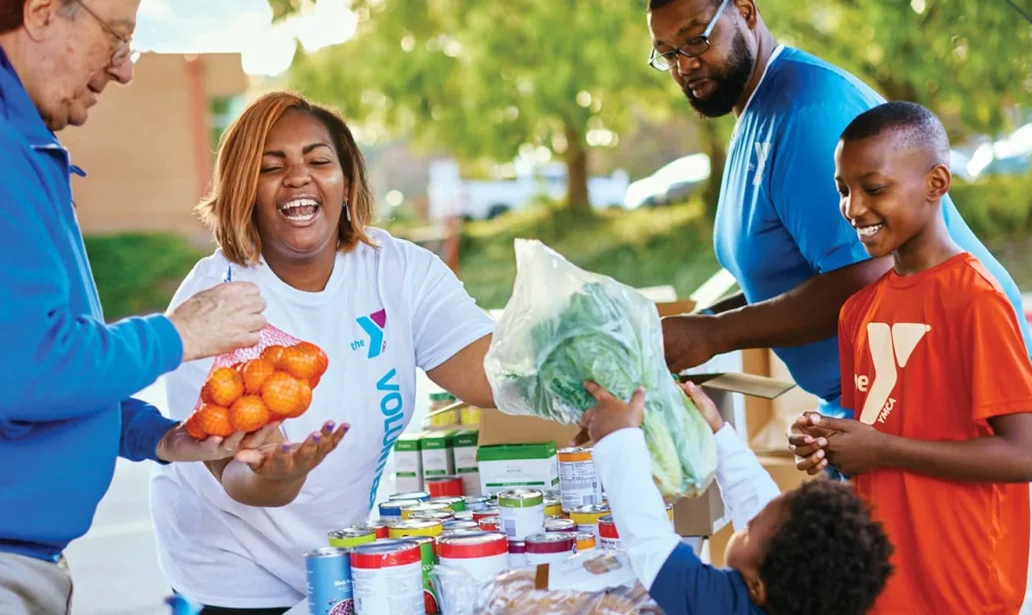
Local initiatives fail or succeed based on the people driving them. Organizing a dedicated group of individuals creates a safety net for vulnerable populations. At the foundation of these local movements are volunteer networks that direct energy exactly where communities need it most.
A data-driven approach requires looking at exact demographics and identifying resource gaps. Evaluating baseline health and economic deficits in your immediate area dictates your next steps. Setting measurable objectives guarantees your outreach hits the mark.
Every scheduled event must aim to resolve an identified local deficit. This structured planning turns scattered goodwill into organized, sustainable progress.
Designing Clear Community Objectives
Building effective volunteer networks requires precision. Your primary objective serves as an anchor for all community action. A vague mission causes momentum to fade quickly. A precise target sustains engagement over time.
Keep your primary goal direct and clear. Replace complex sociological terms with plain language that a local business owner grasps immediately.
You must highlight why your exact cause matters right now. Show the direct impact on community health or neighborhood safety.
Connect the data to real human outcomes in your target zip code. Show residents how their participation lowers health risks or improves living conditions. Strong verbs and clear metrics turn a good mission statement into a compelling directive.
Pair your community appeals with visuals showing the exact area you plan to serve. For detailed methods on organizing your team, review our strategies for community outreach to maximize your local visibility.
Strong social ties directly correlate with better public health. Research from national organizations highlights how structured civic engagement drives higher retention rates among participants.

Tools for Network Expansion
Think of recruitment systems as distribution channels. A clear goal requires a structural plan to reach local residents. Selecting the right platforms dictates your success rate.
You must identify where your target demographic spends their time. A mixed approach yields the highest participation rates. We can categorize these channels based on their expected reach and the demographic they capture best.
| Outreach Channel | Target Demographic | Best Practical Use Case |
| Social Media Pages | Young adults and digital natives | Flash volunteer events and quick updates |
| Direct Email Newsletters | Professionals and past donors | Detailed project reports and funding requests |
| Local Print Media | Older residents and local shoppers | Long-term community planning and local resource fairs |
| Community Center Boards | Highly localized neighborhood groups | Weekly recurring tasks and neighborhood cleanups |
A multi-layered strategy reaches different demographics effectively. Older residents respond well to localized print media. Younger generations organize via group messaging apps. Mixing these channels secures a diverse base for your volunteer networks.
Timing your recruitment drives impacts your overall turnout. Build a specific schedule for your announcements. Determine exact dates for social media posts, email distributions, and neighborhood canvassing.
Tracking Impact and Member Retention
The final requirement of any organized effort is tracking actual results. Shifting from assumptions to hard data secures long-term survival.
Define Key Performance Indicators before you launch. For volunteer networks, these metrics include total hours logged, retention rates week-over-week, and specific tasks completed. Recording this data continuously highlights which recruitment messages work. It exposes which activities cause participants to lose interest.
Reviewing this data helps you restructure your operations. You can identify logistical bottlenecks and correct them before they cause participants to quit.
Tracking these outcomes provides proof of concept. Documenting measurable changes mirrors how public health interventions track the efficacy of their programs in local populations. Proving your success justifies the time your community invests. It provides the concrete evidence needed to secure local grants or city funding.
Review our existing support services to see how structured tracking benefits neighborhood programs. Your capacity to analyze results guarantees your local network grows stronger with each passing month.